Colorful Geometric Floral Pattern: A Designer's Real-World Review
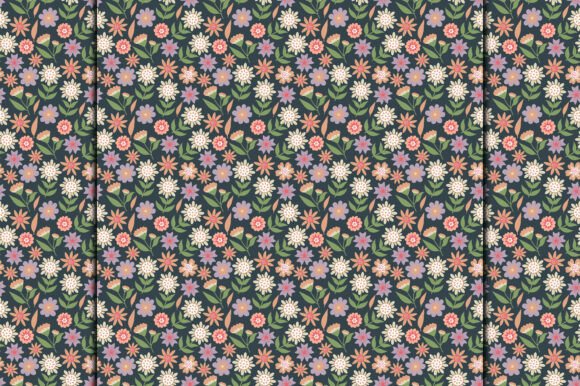
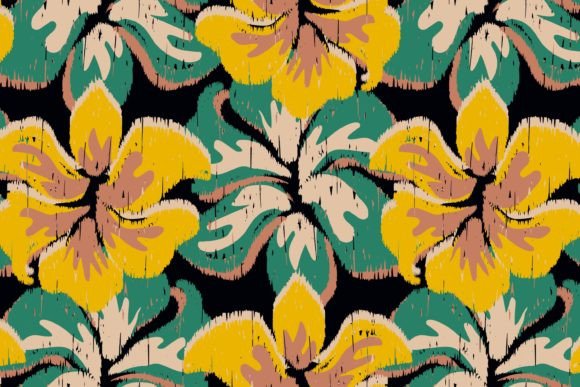
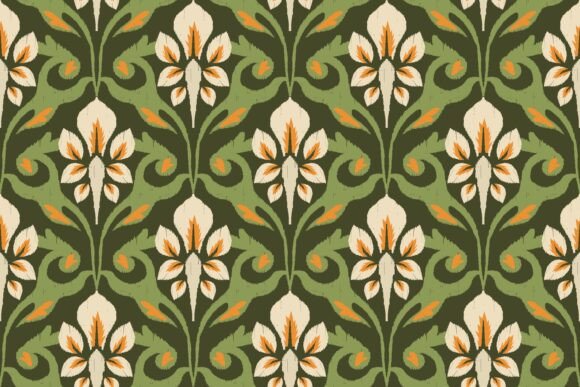
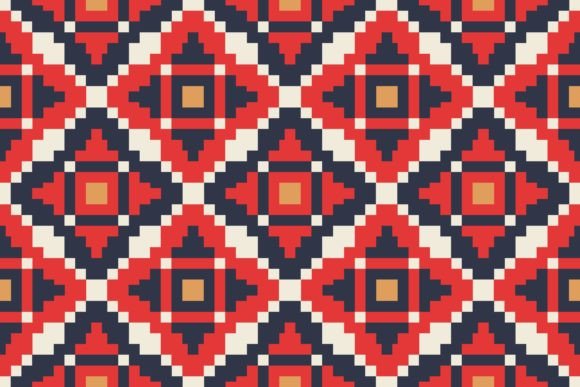
When I first opened the file for Colorful Geometric Floral Pattern, my immediate reaction wasn't about the technical specs, but about the vibe. As a designer who spends hours stitching out custom apparel and preparing products for small shops, I look for designs that feel alive once they leave the computer screen. This pattern strikes a chord immediately. It blends the structured precision of ethnic geometry with the organic softness of floral shapes. It feels like something you would find in a high-end boutique or on a handmade gift from a skilled artisan, rather than a generic clipart download.
The mood is undeniably cheerful yet grounded. The geometric backbone gives it stability, while the floral elements add a touch of whimsy. For an embroidery project, this balance is crucial. Too much geometry can feel cold and industrial; too much florals can feel messy. This design sits right in that sweet spot where it looks professional enough for commercial use but retains the charm required for personalized gifts.
Bringing the Design to Life: A Real Project Scenario
To truly understand how Colorful Geometric Floral Pattern performs, let's imagine a real-world scenario. I am prepping a collection for a local craft fair next month. My goal is to create a line of tote bags and kitchen towels that will appeal to customers looking for unique, colorful home decor. I need a design that pops against fabric but doesn't get lost in the weave.
I decided to test this design on a sturdy canvas tote bag. The seamless nature of the pattern means it could theoretically cover the entire surface, but for a tote, I wanted to focus on the central panel. As I loaded the embroidery file into the machine, I noticed the layout flows naturally. The geometric lines guide the eye across the fabric without creating visual clutter. When the stitching finished, the result was striking. The colors seemed to vibrate against the natural cotton background, creating a texture that looked more complex than it actually is.
This is the kind of machine embroidery design that elevates a simple product. A plain tote becomes a statement piece. If I were selling these as part of a craft business or an Etsy listing, I know this design would catch attention in a grid of thumbnails. The contrast between the sharp angles and the softer floral curves creates a dynamic visual interest that keeps the customer looking longer.
Performance on Different Fabrics and Garments
While the tote bag worked beautifully, I also considered how this Graphics asset would translate to other items in my inventory. The versatility here is impressive, provided you choose the right substrate.
- Sweatshirts and T-Shirts: The dense fill stitches in the geometric sections hold up well on heavy cotton blends. However, on thin jersey t-shirts, the weight of the thread might cause puckering if not stabilized correctly. This design works best on heavier fabrics where the structure can support the detail.
- Baby Embroidery: The playful nature of the pattern makes it perfect for baby clothes or nursery decor. The lack of overly tiny, intricate spikes means it won't snag easily, making it safer for infant wear. The bright colors are engaging for parents looking for personalized gifts.
- Holiday Embroidery: Because the pattern is colorful and vibrant, it fits perfectly into holiday-themed merchandise. Imagine this stitched onto a Christmas stocking or a winter apron. The geometric elements mimic the structure of ornaments, while the florals add a festive touch.
- Embroidered Patches: This is a strong contender for a custom apparel patch. The defined edges allow for clean trimming, and the variety of stitch types adds depth to the final badge.
Navigating the Challenges: Where to Be Careful
No design is perfect for every situation, and as a reviewer, I believe it is my duty to highlight where Colorful Geometric Floral Pattern might struggle. Honesty builds trust with your customers and saves you time on failed projects.
If you are working with a small hoop size, you must be cautious. The seamless aspect implies a larger overall composition. If you try to force this design into a tiny 4x4 hoop without resizing the elements significantly, you risk losing the integrity of the geometric lines. The details might become muddy, and the stitch density could become so high that the needle struggles to penetrate the fabric cleanly.
Fabric choice is another critical factor. On stretchy fabrics like spandex or very thin silks, this design requires a heavy-duty stabilizer. The tension from the satin stitches and fill areas can distort the material if the backing isn't rigid enough. Similarly, dark fabrics require a specific approach. While the colors are vibrant, they may lose their pop against a black background unless you use a high-density underlay or a lighter thread color for the outlines.
Curved surfaces, such as caps, present their own set of challenges. While the pattern is adaptable, the geometric lines might look slightly distorted when wrapped around the curve of a hat. It requires careful digitizing adjustments to ensure the straight lines don't warp unnaturally. For a finished product that needs to look crisp, flat surfaces like pillow covers, tea towels, or aprons are the ideal candidates.
Design Notes for the Practical Maker
Before you start mass-producing items with this digital embroidery file, there are several practical steps I recommend taking. First and foremost, always test the design on scrap fabric. You need to see how the thread colors interact with your specific material. Sometimes a color that looks great on screen appears duller once stitched, especially with certain thread brands.
Review the stitch density carefully. High-density areas, particularly where the geometric shapes overlap, can sometimes lead to thread breaks or difficult needle penetration. Ensure your machine settings match the design requirements. If you are unsure about the file specifications, check the original documentation for recommended hoop sizes and file formats before proceeding.
Don't forget to inspect the small details. In a seamless pattern, the connection points between repeating units must be flawless. If you are using this for a large-scale project like upholstery or a blanket, any misalignment will be obvious. Test the design in black and white mockups first to ensure the contrast holds up without relying solely on color perception.
Licensing is also a vital consideration for anyone running a small shop product line. Confirm whether this design allows for commercial use on finished goods. Are you allowed to sell the physical items? Can you resell the digital file itself? These distinctions matter immensely for protecting your brand consistency and avoiding legal issues.
Final Thoughts on Visual Appeal and Value
In the world of handmade products, presentation is everything. A well-executed embroidery project tells a story of quality and care. Colorful Geometric Floral Pattern succeeds because it offers a modern aesthetic that appeals to a wide demographic. It bridges the gap between traditional folk art and contemporary graphic design.
For the creative entrepreneur, this design asset offers a high return on investment. It transforms basic items into premium-looking goods. Customers are willing to pay more for a handmade product that shows thoughtfulness in its execution, and this pattern provides the visual complexity needed to justify that price point. Whether you are creating a wedding gift, a corporate logo, or a trendy tote bag design, this pattern delivers.
Ultimately, the success of this design comes down to execution. With the right stabilizer, proper tension, and thoughtful fabric selection, Colorful Geometric Floral Pattern can elevate your work to a professional standard. It is a versatile tool in the kit of any serious designer, offering both beauty and functionality. Just remember to test, adjust, and respect the limits of the medium, and you will have a winning addition to your portfolio.