Green Ikat Floral Damask Pattern Review
When I first opened the file for the Green Ikat Floral Damask Pattern, my initial reaction was a mix of intrigue and caution. As someone who has spent years turning digital files into tangible, stitched treasures for clients, I know that not every pretty graphic translates well to thread. This design sits at a fascinating intersection: it is a seamless SVG originally described as digital paper for sublimation, yet its intricate nature begs to be explored in machine embroidery. The question isn't just whether it looks good on a screen, but how it holds up under the tension of needles and the texture of fabric.
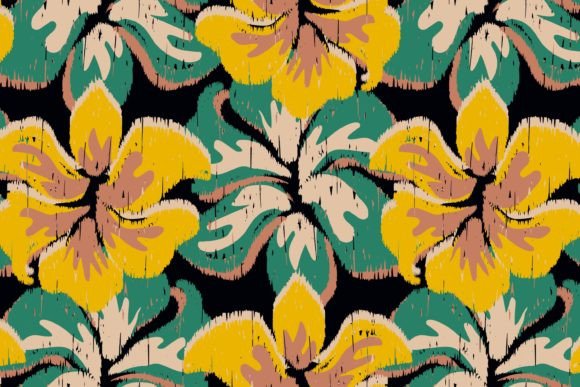
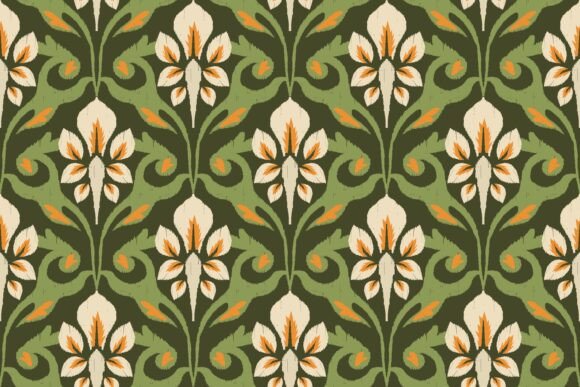
The mood this pattern creates is undeniably sophisticated yet grounded. The "Ikat" aesthetic brings a soft, slightly blurred edge to the floral damask structure, which suggests movement and depth rather than rigid geometry. For an embroidery designer, this is a double-edged sword. While the organic feel is perfect for creating a relaxed, bohemian vibe, the subtle gradients inherent in Ikat styles can sometimes get lost when converted to stitch types like satin or fill. However, if handled with the right thread choices, the Green Ikat Floral Damask Pattern offers a visual richness that feels far more premium than standard block patterns.
Real-World Application: From Screen to Stitch
I recently put this design through a practical stress test while preparing a custom order for a boutique client. They wanted a line of high-end kitchen linens—specifically tea towels and apron accents—that felt modern but had a touch of heritage. The Green Ikat Floral Damask Pattern seemed ideal for this. Unlike stark geometric shapes, the flowing vines and softened edges of this pattern mimic the natural wear and tear of hand-stitched heirlooms, making it perfect for home decor items that need to look lived-in and loved.
In a real-world scenario, imagine stitching this onto a heavyweight cotton canvas tote bag. The seamless nature of the pattern allows you to create a border that wraps around the entire bag without jarring interruptions. When I visualized the final product, the green tones stood out beautifully against neutral backgrounds like cream, beige, or even a deep charcoal. It transforms a simple tote into a statement piece. Similarly, for baby items like a receiving blanket or a onesie, the pattern provides a gentle, non-aggressive backdrop that doesn't overwhelm the small scale of the garment. It feels safe for a nursery but stylish enough for a grown-up's wardrobe.
However, the transition from a sublimation-ready SVG to an embroidery file requires a shift in mindset. If you are planning to use this as a direct embroidery file without converting the vector lines into stitch paths, you must be prepared for some artistic interpretation. The pattern works best when broken down into layers. You might use a running stitch for the delicate outlines to capture that "fuzzy" Ikat effect, while utilizing a fill stitch for the denser floral centers. This layering technique adds dimension that flat printing simply cannot achieve.
Where to Use (and Where to Pause)
While the Green Ikat Floral Damask Pattern is versatile, it is not a one-size-fits-all solution. There are specific scenarios where this design demands extra care. For instance, attempting to stitch this on a curved surface like a baseball cap can be tricky. The seamless flow of the pattern relies on straight lines and balanced spacing; on a curved brim or crown, the distortion might break the illusion of the Ikat style, making the flowers look stretched or misaligned.
Small hoop sizes also present a challenge. If your project involves tiny details, such as a monogrammed patch or a small accent on a pocket, the intricate nature of the damask elements might get lost. In these cases, the fine lines could merge together during stitching, resulting in a muddy appearance rather than a crisp design. For commercial embroidery projects involving frequent washing, like work uniforms or heavy-use aprons, you need to ensure the stitch density is sufficient to prevent pilling or fraying, especially if the design includes long, thin threads.
Furthermore, fabric texture plays a massive role. On a smooth, tightly woven fabric, the design will pop with clarity. But on a textured linen or a slubby knit, the pattern might get swallowed by the weave itself. I would advise against using this on stretchy fabrics unless you have a very stable stabilizer system in place. The slight pull of the Ikat lines could cause the fabric to pucker, ruining the intended fluidity of the design.
Visual Appeal and Brand Value
One of the strongest selling points of this pattern is its ability to elevate brand perception. When customers see a handmade product featuring a complex, cohesive design like the Green Ikat Floral Damask Pattern, they perceive higher value. It signals that the maker paid attention to detail and chose assets that align with current trends in contemporary home decor and fashion. For Etsy sellers and small shop owners, this design asset can help differentiate products in a crowded marketplace.
The color palette is particularly strategic. Green is universally associated with growth, calm, and nature, making it a safe bet for a wide demographic. Whether you are creating holiday gifts, wedding favors, or boutique merchandise, the green tones blend seamlessly with seasonal themes. A dark green version of this pattern could serve as a sophisticated Christmas motif, while a lighter, minty variation fits perfectly for spring weddings or baby showers. This versatility ensures that your inventory remains relevant across different seasons, maximizing the return on your design investment.
Practical Designer Notes for Success
Before you commit to a full production run, there are several critical steps to take. First and foremost, always test the design on scrap fabric. Do not assume that because it looks good on your monitor, it will stitch perfectly. Check the thread color contrast carefully; if the background fabric is too similar in tone to the thread, the design will vanish. Try mockups in black and white to ensure the structural integrity of the pattern holds up without relying on color differentiation.
If you are converting this SVG for embroidery, review the stitch density closely. The original description mentions it is a digital paper for sublimation, meaning it likely lacks the specific stitch instructions needed for a machine. You may need to manually adjust the satin stitch angles or fill stitch directions to accommodate the curves of the damask. Ensure you are using the proper stabilizer to support the fabric, especially if you are working on larger items like pillow covers or blankets.
Licensing is another crucial factor. Since this is a digital embroidery file or graphic asset, verify the terms before selling finished items. Some licenses allow for commercial use of the physical product but restrict the resale of the digital file itself. Confirm whether you can use the Green Ikat Floral Damask Pattern for unlimited personal gifts or if there are caps on the number of units you can produce for your crafter business.
Finally, consider the end-user experience. Will the customer want to wash the item frequently? If so, ensure the design is durable. A well-executed tote bag design or sweatshirt embroidery should withstand the rigors of daily life without losing its shape or charm. By taking the time to analyze the design's limitations and strengths, you ensure that the final product reflects the quality and professionalism that your customers expect.
In conclusion, the Green Ikat Floral Damask Pattern is a powerful tool for any creative entrepreneur looking to add a touch of elegance to their portfolio. It bridges the gap between modern digital aesthetics and traditional craftsmanship, offering endless possibilities for personalized gifts and handmade products. With careful planning and a keen eye for detail, this pattern can become a cornerstone of your design collection.