Floral Wooden Signs Sublimation Review
I have spent years reviewing machine embroidery design assets for both personal crafting and commercial client work. When I first encountered the Floral Wooden Signs Sublimation file, my initial reaction was one of curiosity mixed with caution. As a designer who values practicality over hype, I needed to determine if this embroidery file could truly translate from a digital Print Templates preview into a tangible, high-quality finished product. This review is not about what the image looks like on a screen; it is about how it behaves under the needle, how it holds up on various fabrics, and whether it adds value to a small business inventory.
The First Impression: Mood and Visual Personality
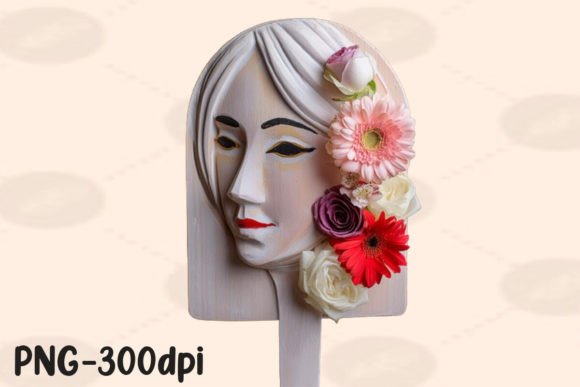
The moment you open the Floral Wooden Signs Sublimation graphic, the aesthetic is immediately clear. It evokes a rustic, farmhouse charm that feels warm and inviting. The combination of floral elements against a wooden texture suggests a design that belongs in a cozy nursery, a boutique kitchen, or a handmade gift shop. Unlike generic geometric patterns, this piece has a specific narrative. It feels grounded and organic, making it an excellent candidate for handmade product lines that prioritize authenticity.
However, the "sublimation" aspect of the title is crucial to note. While the source file is a 300 dpi PNG intended for sublimation printing, many creators attempt to adapt these graphics for stitching. If you are planning to use this as a direct reference for digitizing a new design or converting it into an applique setup, the visual appeal is strong. The layout is balanced, but the detail level requires careful consideration regarding stitch density. A simple satin stitch outline might not capture the wood grain texture effectively without looking muddy, whereas a running stitch approach could beautifully mimic the natural imperfections of the wood.
Real-World Application: From Digital to Finished Product
Let's imagine a real-life scenario. You are an Etsy seller preparing a collection of custom embroidered tote bags for the upcoming holiday season. You decide to incorporate the Floral Wooden Signs Sublimation motif. How does it perform? On a sturdy canvas tote bag, the rustic theme fits perfectly. The design would likely sell well as a personalized gift because it appeals to customers who love cottagecore aesthetics or farmhouse decor.
Similarly, consider using this concept on a sweatshirt embroidery project for a baby shower. The soft, floral nature of the design translates well to baby items, provided the colors are muted and gentle. However, if you were to try this on a structured cap or a curved surface, the challenges increase. The flat composition of the original graphic might not account for the curvature of a hat brim, potentially causing distortion in the final finished product. For a pillow cover or a tea towel, the results would be far more reliable. These flat, stable surfaces allow the design to maintain its integrity, ensuring that the stitch density remains consistent across the entire piece.
For commercial embroidery projects where brand consistency is key, this design offers a unique selling point. It stands out from the typical monogrammed or logo-based designs found in mass-produced merchandise. A small shop owner could use this design asset to create a cohesive line of aprons and kitchen towels that instantly communicates a specific lifestyle brand.
Where to Exercise Caution
While the Floral Wooden Signs Sublimation file is visually appealing, there are specific scenarios where it may struggle. One major concern is the use of textured or stretchy fabrics. Embroidering a detailed graphic onto a thin, stretchy jersey fabric can lead to puckering, which ruins the professional look of the item. The wood texture, if rendered with too much detail, might become indistinct on such materials.
Small hoop sizes present another limitation. If you attempt to shrink this design down for a tiny patch or a child's onesie, you risk losing the delicate floral details. The intricate parts of the wood grain or the flower petals might merge together during the stitching process, resulting in a blurry appearance. Furthermore, dark fabrics require careful thread color selection. If the background is black or navy, the lighter floral elements might get lost unless you use a high-contrast underlay or specific thread colors that pop against the dark backdrop.
Products that undergo frequent washing, such as daily-use aprons or workwear, also demand durability. If the design relies heavily on fill stitch areas that are too dense, the fabric underneath may become stiff and uncomfortable. Additionally, if the design includes tiny lettering or very fine decorative accents, these are prone to breaking or fraying after multiple wash cycles. Always inspect the design for potential weak points before committing to a large production run.
Practical Designer Notes for Success
Before you load this file into your machine or start digitizing a version of it, there are several steps every experienced designer should take. First and foremost, test the design on scrap fabric. This is non-negotiable. Seeing how the threads interact with the specific weave of your chosen material will reveal issues that a digital mockup cannot show. Check the hoop size requirements carefully; ensure your frame accommodates the full dimensions of the Floral Wooden Signs Sublimation graphic without cutting off edges.
Review the stitch density meticulously. If the file is being converted for embroidery, ensure that the stabilizer used matches the weight of the fabric. Heavy stabilizers are often necessary for maintaining the shape of complex designs like this one. Inspect small details closely; if the original PNG has low-resolution corners, they will not digitize cleanly. It is highly recommended to test the design in black and white mockups first. This helps visualize the contrast and ensures that the design reads clearly regardless of the thread colors you choose.
Finally, confirm your licensing terms. The product description mentions receiving a PNG file, but it does not explicitly state the usage rights for commercial embroidery or selling finished items. As a responsible creator, you must verify whether you are allowed to sell products made with this design. Many digital product sellers overlook this step, leading to legal complications later. If the license is unclear, contact the creator or limit your use to personal projects until clarification is received.
Final Thoughts on Value and Appeal
In conclusion, the Floral Wooden Signs Sublimation file is a versatile starting point for creative entrepreneurs and hobbyists alike. Its rustic charm makes it a strong contender for personalized gifts, boutique branding, and craft fair products. However, its success depends entirely on how well you adapt it to the physical constraints of embroidery. By understanding the limitations of the fabric, the machine, and the design itself, you can transform a simple graphic into a stunning embroidery project that delights customers and builds trust in your brand.
Whether you are creating a custom apparel line or a collection of holiday embroidery items, take the time to evaluate the design critically. Use it wisely, test thoroughly, and you will find that this Graphics asset has the potential to elevate your handmade offerings significantly.