Flower Line Art Botanical Plant Design Review
I have spent years reviewing digital assets for my own studio and for the clients I advise. There is a specific moment when you download a new file where the excitement meets reality: Will this actually stitch well? Does it translate from a screen to fabric without losing its soul? When I first opened Flower Line Art Botanical Plant Design, I wasn't looking at a simple illustration; I was looking at a potential hero element for a boutique collection. The minimalist wildflower aesthetic is currently dominating the handmade market, but not all line art holds up under the needle. After running through a series of test stitches and visualizing how this design fits into real-world projects, here is my honest take on its practical value.
The First Stitch: Visual Personality and Mood
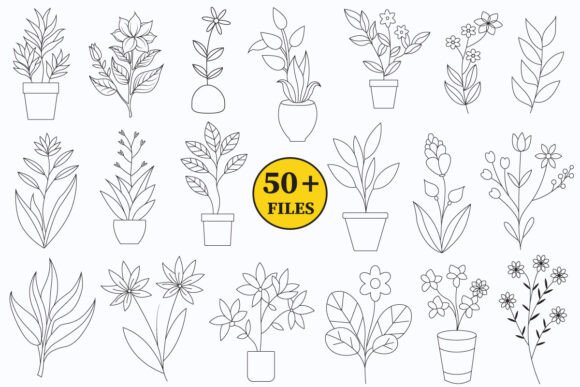
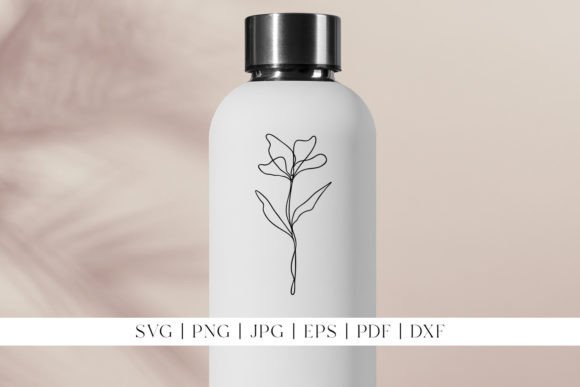
The immediate impression of Flower Line Art Botanical Plant Design is one of airy elegance. In a sea of heavy, dense floral fills that can sometimes feel dated or overwhelming, this piece breathes. It captures the essence of a sketch brought to life, relying on negative space just as much as the lines themselves. For an embroidery designer, this is a crucial distinction. The layout feels organic rather than rigid, mimicking the natural growth patterns of wildflowers found in a meadow.
This design naturally belongs in projects that aim for a soft, approachable, yet professional look. It creates a mood of calm sophistication. Whether you are branding a small shop or creating a personalized gift, this graphic suggests quality without shouting for attention. It works exceptionally well as a standalone motif or as a supporting element alongside text, making it incredibly versatile for custom apparel and home decor items.
Real-World Application: From Screen to Stitch
To truly understand the utility of this embroidery file, I imagined applying it to several common products used by Etsy sellers and craft business owners. Let's start with a custom embroidered tote bag design. The clean lines of the botanical plant design would cut beautifully against canvas or cotton twill. Because the design relies on open spaces, it avoids the "heavy" look that can make a tote bag feel stiff. It adds a touch of whimsy that customers love, especially for spring and summer collections.
Next, consider the sweatshirt embroidery market. This is often a high-volume category for small businesses. When I visualize Flower Line Art Botanical Plant Design on the chest of a heather grey hoodie, the contrast potential is excellent. The simplicity allows the texture of the fabric to show through, which is a hallmark of premium handmade goods. It transforms a basic garment into a statement piece that feels curated and thoughtful.
I also see immense potential for baby embroidery. Parents often seek designs that are gentle and non-cluttered for nursery decor or baby clothes. The delicate nature of the line art makes it perfect for a onesie or a quilt border. It avoids the risk of being too sharp or aggressive, fitting perfectly into the soft, pastel-heavy aesthetic that dominates the baby sector. Furthermore, for those creating holiday embroidery gifts, this design offers a timeless appeal that transcends seasonal trends, ensuring your finished product remains relevant year after year.
Navigating Technical Challenges
While the aesthetic is strong, every experienced designer knows that beauty must be backed by technical viability. There are specific scenarios where Flower Line Art Botanical Plant Design requires careful handling. If you are working with small hoop sizes, you must pay close attention to the density of the lines. While the design is minimal, if the lines are too thin relative to the hoop diameter, they might disappear or become indistinct during the stitching process.
Textured fabrics present another hurdle. On a rough linen or a heavily brushed fleece, the fine details of the line art might get lost in the weave. Thin fabrics, such as lightweight silks or sheer curtains, can be problematic unless stabilized correctly, as the tension required for the satin stitch could cause puckering. Similarly, stretchy fabrics like jersey require a stabilizer that matches the elasticity of the material to prevent distortion.
Dense stitch areas are generally avoided in line art, but if this design includes any fill elements, you need to ensure the thread colors provide enough contrast. On dark fabric, the visibility of fine lines can be compromised if the thread color is too similar to the background. Curved surfaces, like caps or hats, demand a specific digitization technique to ensure the flowers don't look warped. If the design includes tiny lettering or intricate corners, these are the first areas to fail on lower-end machines or with cheaper threads. Always inspect small details before committing to a full production run.
Practical Notes for the Embroidery Designer
Before you rush to print mockups or list this as a commercial embroidery asset, there are critical steps to take. First, test the design on scrap fabric. This is non-negotiable. You need to verify how the stitch density interacts with your specific machine and thread type. Check the thread color contrast immediately; a black line on a white shirt looks different than a gold line on a navy tote. Review the stitch density settings to ensure the design isn't too sparse or too packed for the intended fabric weight.
Confirm the hoop size requirements early. If the design is large, ensure your machine can accommodate it without multiple hooping breaks that might misalign the pattern. Inspect small details under magnification to see if any stray threads or gaps appear. Test the design in black and white mockups to judge the balance of the composition before adding color. Compare how it looks on light versus dark backgrounds, as this will dictate your marketing strategy for different product lines.
Using proper stabilizer is essential for maintaining the integrity of the lines. Without adequate support, the delicate curves may collapse or shift. Finally, check whether the design works for both personal and commercial projects. Many designers assume a license covers everything, but you must confirm if you can sell finished items made with this embroidery project or if you are restricted to personal use. Confirm licensing terms before selling digital products or using the design in a client portfolio.
Final Verdict on Value and Appeal
Flower Line Art Botanical Plant Design brings a level of visual appeal that elevates the perceived value of any handmade product. Customers trust brands that invest in high-quality, thoughtfully designed graphics. This design signals professionalism and attention to detail, which are key drivers of buyer engagement. It fits seamlessly into boutique branding, enhancing the recognition of your shop without overpowering the core message.
For the creative entrepreneur, this is more than just a graphic; it is a tool for building a cohesive brand identity. Whether you are producing an embroidered patch, a kitchen towel, or a wedding gift, this design offers the flexibility to adapt to various contexts while maintaining a consistent artistic voice. It strikes a balance between trendy and timeless, making it a smart investment for your inventory. By understanding its strengths and limitations, you can confidently integrate this design into your workflow, knowing it will deliver a polished finished product that your customers will appreciate.