Minimalist Botanical Line Art
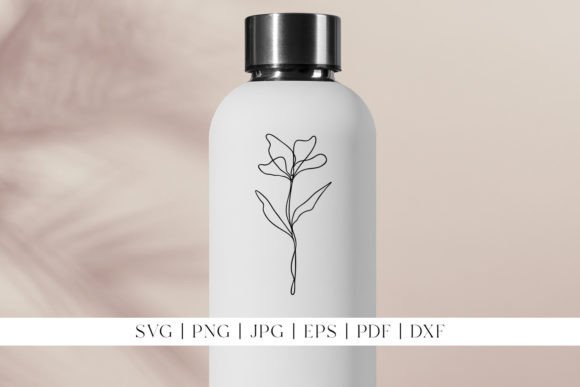
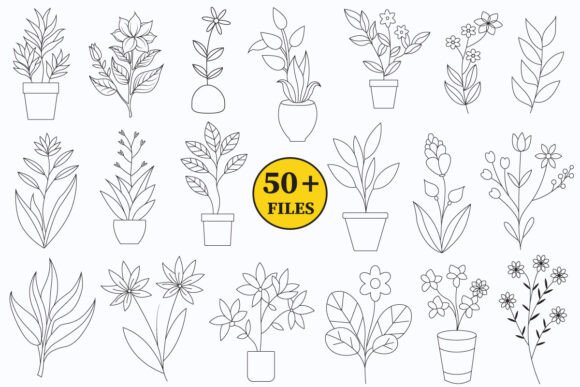
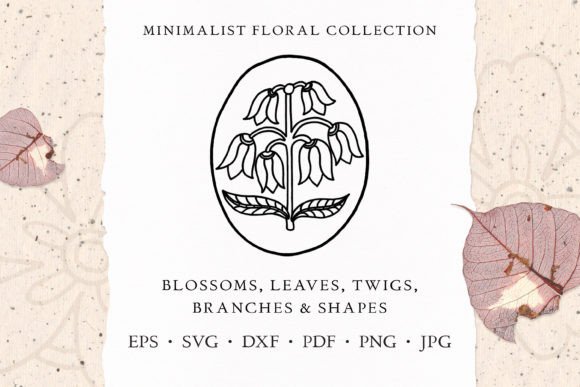
When I first opened the folder for Minimalist Botanical Line Art, I wasn't looking for a flashy, high-density floral explosion. As someone who has spent years stitching designs onto everything from baby onesies to boutique tote bags, I know that sometimes the most effective embroidery is the one that breathes. This collection of 23 large hand-drawn images immediately struck me as a tool for clarity rather than complexity. It is an Illustrations and Graphics asset set that feels less like a digital download and more like a curated sketchbook ready for the hoop.
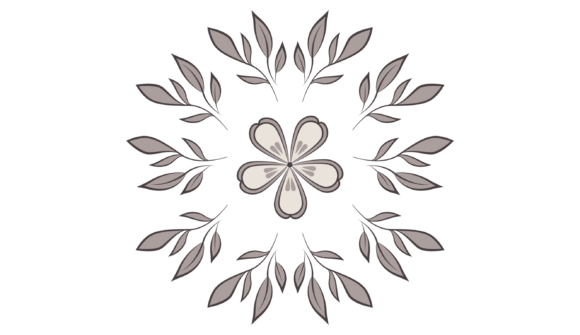
The mood these designs create is undeniably calm and organic. The shapes are clean, relying on outlines and solid forms to convey blossoms, leaves, buds, twigs, and branches without getting bogged down in unnecessary detail. For a designer eye, this is crucial. When you are planning a machine embroidery design, the difference between a successful stitch and a tangled mess often comes down to how much information you ask the thread to carry. These line art pieces are perfect because they offer a botanical personality without demanding a dense fill that might distort on thinner fabrics.
From Screen to Stitch: A Real Project Scenario
Let's talk about a real-world situation where I decided to put Minimalist Botanical Line Art to the test. I was working with a client who runs a small, eco-friendly shop specializing in reusable kitchen goods. She needed a custom embroidered patch for her new line of aprons and tea towels. She wanted something that felt handmade but also looked professional enough to be printed on tags and labels for her wholesale partners. She didn't want anything too intricate; she wanted something that would hold up after dozens of washes and still look crisp.
I pulled a few of the twig and branch outlines from the collection. My initial thought was to use them on a heavy cotton canvas apron. The challenge here is always balance: the fabric is thick, which can swallow up fine lines, but the design needs to remain legible. Because these files are essentially vector-style graphics converted into embroidery instructions, they translate beautifully to a running stitch or a simple satin stitch outline. The result was stunning. The design sat perfectly on the chest of the apron, offering a subtle nod to nature that didn't compete with the fabric texture.
This same logic applies when thinking about sweatshirt embroidery. Imagine a soft, heathered grey crewneck featuring just a single bud or a small cluster of leaves stitched in a contrasting cream thread. It elevates the garment from basic casual wear to a statement piece. It works equally well for baby embroidery on muslin bibs or hooded towels. Parents love items that feel gentle and uncluttered, and these designs deliver exactly that. They are safe for delicate skin because they don't rely on heavy, scratchy fill stitches that can irritate sensitive areas.
Where This Design Shines in Your Business
If you are an Etsy seller or a maker looking to expand your craft business, understanding where to apply Minimalist Botanical Line Art is key to maximizing its value. The versatility of having both outline and solid shapes means you can adapt the aesthetic to various products without needing to redesign the core concept.
For tote bag designs, the clean lines allow the design to sit comfortably in the center or along the strap without overwhelming the canvas. It creates a sophisticated brand mark that customers will recognize instantly. Similarly, for pillow covers or nursery decor, these botanical elements add a touch of warmth without feeling dated. In the world of holiday embroidery, these designs serve as excellent accents. Think of a simple leaf motif on a holiday stocking or a twig pattern on a gift tag. They are timeless enough to be used year after year.
When it comes to commercial embroidery projects, consistency is king. The uniform style of this collection ensures that if you are creating a branded merchandise line for a small shop product, every item looks cohesive. Whether you are making custom apparel for a team or personalized gifts for weddings, the clean aesthetic maintains a professional look. It is particularly effective for embroidered patches where the edges need to be defined clearly against the background fabric.
Practical Considerations and Potential Pitfalls
However, not every design fits every scenario, and as an experienced reviewer, I have to point out where caution is necessary. While Minimalist Botanical Line Art is versatile, it is not a magic bullet for every fabric type. If you are working with textured fabrics like bouclé or very thin, stretchy knits, you must be careful. Fine lines can get lost in the weave of a heavy texture or pucker significantly on a stretchy material if the stabilizer isn't chosen correctly.
Small hoop sizes present another challenge. If you attempt to stitch these designs on a tiny cap or a miniature accessory, the details of the twigs and leaves might become indistinguishable. The human eye can see the line art on a screen, but the needle cannot magically create detail that doesn't exist in the file structure. Always check the hoop size requirements before committing to a project. Additionally, while these designs are great for logos, tags, and labels, they may lack the visual weight required for dark fabrics unless you use a substantial underlay or a contrasting thread color strategy.
Dense stitch areas are generally avoided in this collection, which is a good thing for longevity, but it means these designs won't provide the "pop" of a fully filled applique design. If you need a bold, solid block of color, you might need to supplement these line arts with additional fill stitches. Also, remember that decorative accents made from these designs should not be placed on products that require frequent, harsh washing unless you are using high-quality threads and proper stabilization techniques.
Designer Notes for Success
Before you jump into production, there are several practical steps I recommend taking to ensure your finished product meets your standards. First and foremost, always test the design on scrap fabric that matches your final material. This allows you to assess how the stitch density interacts with the specific grain of the cloth. You need to see if the running stitch holds up or if it breaks, and if the satin stitch lays flat.
Check your thread colors carefully. Since these are line art designs, contrast is your best friend. On light fabrics, a darker thread defines the shape; on dark fabrics, a lighter thread or a white underlay is essential. Review the stabilizer choice; for these delicate botanicals, a cut-away stabilizer often provides better long-term support than tear-away, especially on garments that will be stretched or worn frequently.
It is also wise to inspect small details closely. Zoom in on the digital preview to ensure no stray nodes or gaps exist that could cause thread breaks during the run. Test the design in black and white mockups to verify that the silhouette remains clear even without color cues. Finally, confirm the licensing terms. If you plan to sell finished items or use these as digital embroidery files for commercial purposes, you must understand the rights granted by the Artisan floral clipart collection license. Do not assume you can resell the raw files themselves unless explicitly permitted.
In conclusion, Minimalist Botanical Line Art is a powerful addition to any designer's toolkit. It bridges the gap between digital Graphics and tactile embroidery project execution with grace. By respecting the limitations of the medium and applying thoughtful construction techniques, you can transform these simple lines into premium handmade products that customers will cherish. Whether you are creating a personalized gift or scaling up for a small shop product line, this collection offers the reliability and aesthetic appeal needed to build trust and engagement with your buyers.