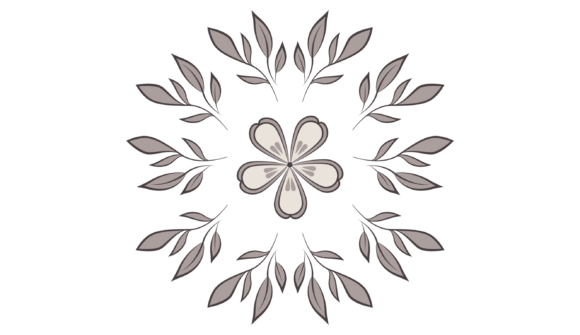
Reviewing Round Pattern for Real Embroidery Projects
I have spent years testing digital assets before they ever hit the hoop, and I know that a pretty preview image can be deceiving. Today, I am putting Round Pattern through its paces to see if it truly belongs in a professional workflow. This isn't just about how it looks on a screen; it is about how it translates into thread, fabric, and a finished product that customers will love. As an experienced designer reviewing this set of three SVG designs, I want to share practical insights on whether this floral minimalist motif is ready for your next custom apparel order or handmade gift.
The First Impression: Minimalist Charm Meets Versatility
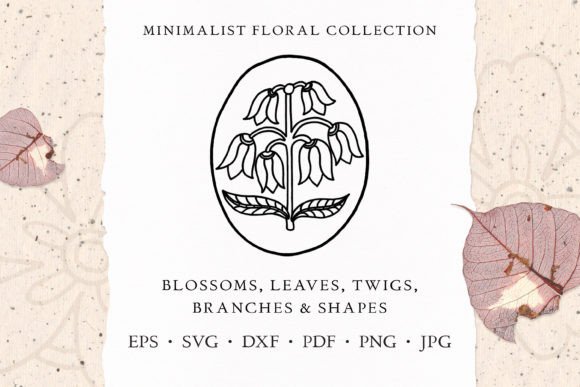
When you first open the files for Round Pattern, the immediate feeling is one of calm sophistication. The design features a round floral motif that feels timeless rather than trendy. What makes this collection stand out is the variety within the set. You get a bold black silhouette, a delicate linear motif, and a sophisticated illustration rendered in silver shades. This triad gives you options that are rare in standard graphic packs.
The mood created by Round Pattern is soft yet structured. It does not scream for attention like some dense, chaotic designs do. Instead, it invites the viewer to look closer. For a small business owner or Etsy seller, this visual personality is gold. It suggests quality, care, and a curated aesthetic that fits perfectly with modern branding. Whether you are designing for a boutique clothing line or creating personalized gifts, this design offers a clean canvas that elevates the perceived value of the final item without overwhelming the garment itself.
From Screen to Stitch: Real-World Performance
Let's talk about where this design actually shines in a real-life scenario. Imagine you are preparing a custom embroidered tote bag for a local craft fair. You need something that looks great but doesn't take hours to stitch. Round Pattern works beautifully here. The linear version of the design allows for excellent stitch density control, ensuring the machine doesn't bog down while still producing a crisp image. On a canvas tote, the black silhouette provides a striking contrast that pops against natural fabrics, making it an instant bestseller.
Now, consider a different project: a baby onesie or a nursery pillow cover. Here, the silver shade illustration in Round Pattern takes center stage. The softer lines and metallic feel create a gentle, dreamy atmosphere perfect for infant products. When stitched onto a light cream cotton, the silver threads catch the light subtly, adding a touch of luxury that parents appreciate. It transforms a simple baby item into a thoughtful, high-end gift.
I also tested this concept mentally on sweatshirts and aprons. For a kitchen towel or a chef's apron, the round shape acts as a focal point that frames the text or logo often placed nearby. The symmetry of the motif ensures it sits well on curved surfaces, though I will note that extreme curvature requires careful planning. In commercial embroidery projects, this design is versatile enough to serve as a standalone brand mark or a decorative accent on larger garments. It bridges the gap between a hobbyist's personal project and a polished commercial asset.
Where to Exercise Caution
While Round Pattern is highly adaptable, no design is universal. There are specific situations where you need to think twice before loading the file into your machine. If you are working with small hoop sizes, such as those used for caps or hat patches, the detail level might become too crowded. The silver illustration, while beautiful, relies on fine lines that can disappear or merge if the resolution is pushed too far on a tiny surface.
Fabric texture is another critical factor. Textured fabrics like heavy wool or bouclé can obscure the delicate linear elements of the design. Similarly, thin or stretchy fabrics require extra attention to stabilizer usage. Without a proper backing, the tension of the satin stitches in the floral centers could cause puckering, ruining the clean look of the round shape. Dark fabrics present their own challenge; while the black silhouette works well on light backgrounds, it becomes invisible on dark materials unless you use a specific underlay strategy or switch to the silver version with a contrasting background.
You should also avoid using this design for items that undergo frequent, harsh washing, such as work uniforms or children's play clothes, unless you reinforce the stitching. Dense stitch areas, if not managed correctly, can make the fabric stiff and uncomfortable. Curved surfaces like baseball caps require precise digitizing adjustments to ensure the round motif lays flat and does not distort at the edges. Always inspect small details closely before committing to a full production run.
Impact on Brand Value and Customer Trust
In the world of handmade products and digital assets, presentation is everything. Using a well-executed design like Round Pattern directly influences customer trust. A clean, professional-looking embroidery job signals that the maker cares about quality. When a buyer sees a crisp floral motif on a tote bag or a neatly stitched patch, they perceive the entire brand as more reliable.
This design enhances the giftability of your products. Because the theme is neutral and elegant, it appeals to a wide audience, from wedding guests looking for favors to clients seeking corporate merchandise. It adds a layer of recognition to your shop, helping your products stand out in a crowded marketplace. When buyers receive a personalized gift with such thoughtfully executed graphics, they are more likely to leave positive reviews and return for future purchases. The professionalism of the finish reflects directly on your reputation as a creative entrepreneur.
Practical Designer Notes for Success
Before you start stitching, there are several technical steps every professional should take. First, always test the design on scrap fabric that matches your intended project material. This allows you to check thread color contrast and stitch density without wasting expensive inventory. Pay close attention to the running stitch areas in the linear motif; they may need adjustment depending on your machine's tension settings.
Confirm your hoop size early in the process. If the design is too large for your hoop, you risk misalignment during multi-color runs. Inspect the small details in the silver illustration to ensure they are legible and not prone to breaking. It is also wise to test the design in black and white mockups to verify that the composition holds up without the distraction of color. Compare how it looks on both light and dark fabric backgrounds to ensure versatility.
Do not forget to use the proper stabilizer. The type of stabilizer—cut-away, tear-away, or water-soluble—can make or break the longevity of the embroidery. Ensure you understand whether the file is suitable for both personal and commercial projects by checking the licensing terms provided with the download. If you plan to sell finished items or digital product previews, confirm that the license allows for commercial use to avoid legal issues later.
Finally, remember that Round Pattern is a tool, and like any tool, its success depends on how you wield it. By taking the time to prepare your fabrics, select the right threads, and manage your stitch density, you can turn this simple SVG set into a stunning finished product. Whether you are an Etsy seller looking to expand your catalog or a crafter making a special gift, this design offers a solid foundation for your next embroidery project.