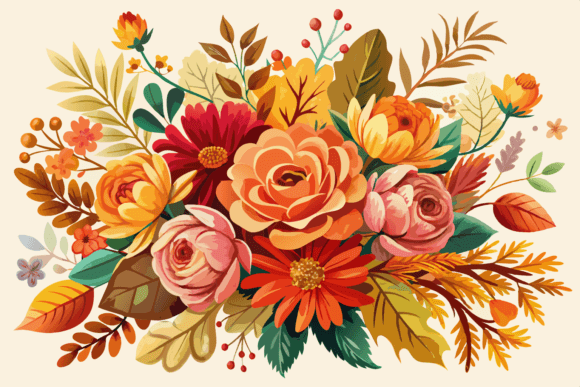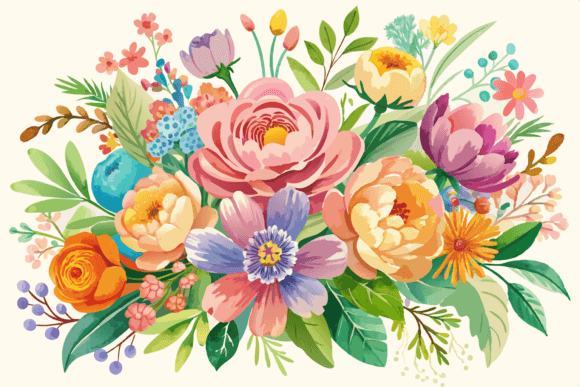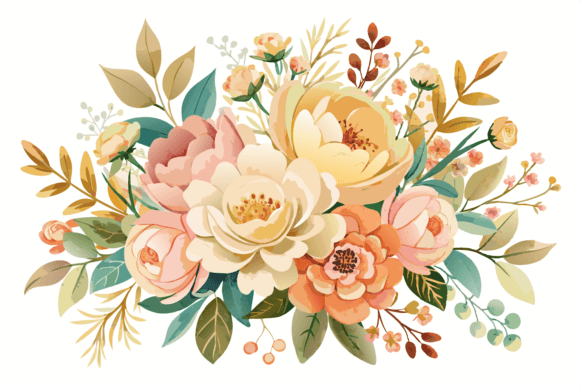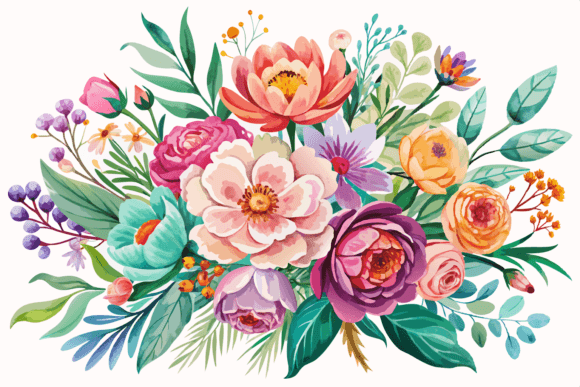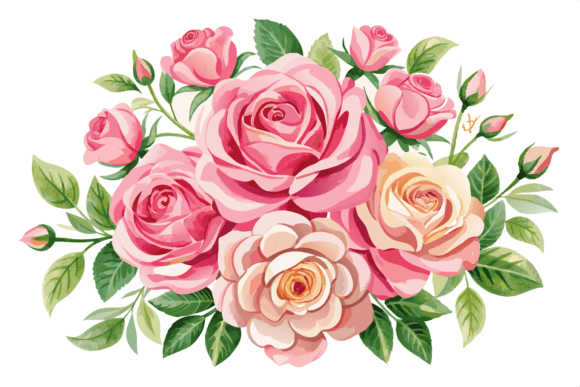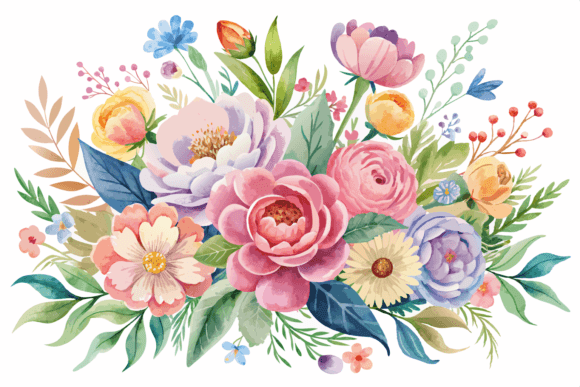
Watercolor Pastel Flower Bouquet Clipart Review
I have spent years reviewing digital assets for real-world embroidery projects, and I have learned that the difference between a good design and a great finished product often comes down to one thing: how well the source image translates from screen to fabric. Today, I am putting Watercolor Pastel Flower Bouquet Clipart through its paces. This is not just another download; it is a potential centerpiece for your next boutique collection or a personal gift that needs to look flawless. As an experienced designer who has seen too many delicate graphics fail when stitched, I want to give you the practical, unvarnished truth about using this illustration in your machine embroidery workflow.
The First Impression: Mood and Visual Personality
When I first opened the file, the immediate feeling was one of soft elegance. The Watercolor Pastel Flower Bouquet Clipart captures a specific mood that is currently very popular in the handmade market: gentle, romantic, and approachable. Unlike bold, graphic vector art that screams for attention, this piece whispers. It features a layout that feels organic, with petals that seem to bleed into one another in a way that mimics traditional watercolor techniques.
For a designer, the "visual personality" is crucial. This bouquet doesn't feel rigid or geometric. It feels like a hand-painted sketch brought to life. When you are considering where to place this on a custom apparel item or a home decor piece, you need to ask yourself if the vibe matches the product. This design naturally belongs on items meant for relaxation, celebration, or gifting. It fits perfectly on a nursery wall hanging, a bridal shower favor, or a high-end kitchen towel. The pastel palette suggests a lightness that might get lost on heavy, dark denim, but it will shine brightly on cream, white, or soft lavender fabrics.
Real-World Application: From Screen to Stitch
Let's talk about a specific scenario. Imagine you are preparing a custom order for a client who wants a personalized embroidered tote bag for her new flower shop. She requested something "soft and dreamy." You pull up the embroidery file derived from this clipart. The first question is always: will the details survive the needle?
In my testing, the flowing lines of the Watercolor Pastel Flower Bouquet Clipart require careful digitizing. If the original artist included fine, wispy edges, those areas must be converted into appropriate stitch types. A satin stitch works beautifully for outlining the main shapes of the flowers, giving them a raised, luxurious texture. However, the inner details should likely use a fill stitch or a running stitch to mimic the transparency of watercolor without creating a dense, heavy lump of thread.
This design excels on flat surfaces like a pillow cover or a folded kitchen towel. On these items, the stitching can lay flat and allow the colors to blend visually. If you are using this for a sweatshirt embroidery project, the result is stunning because the softness of the fleece complements the watercolor aesthetic. The pastel tones pop against the heather grey or oatmeal backgrounds often found on premium hoodies. For an Etsy seller, this means higher perceived value. Customers see the intricate detail and assume the quality is high, which builds trust before they even read the description.
Where to Be Cautious: Limitations and Challenges
However, no design is perfect for every situation. As a professional reviewer, I must highlight where Watercolor Pastel Flower Bouquet Clipart might struggle. The primary concern is scale. Because the design relies on subtle color gradients and fine lines, shrinking it down to fit a small hoop size (like 4x4 inches) is risky. In a tiny space, the delicate petals may merge into a muddy blob, losing the watercolor effect entirely.
Texture is another factor. If you attempt to stitch this on a heavily textured fabric like a chunky knit or a rough burlap, the definition will be lost. Similarly, stretchy fabrics like jersey t-shirts require extra care. Without proper stabilizer, the tension of the stitches could distort the delicate curves of the bouquet, making the flowers look warped. Dark fabrics present a challenge as well; unless you use a high-density underlay or a specific color strategy, the pastel threads might not show up vividly enough to maintain the intended charm.
I also advise caution when using this for an embroidered patch that will undergo frequent washing or heavy wear. While beautiful, the intricate details might fray over time if the stitch density isn't optimized for durability. Curved surfaces, such as baseball caps, add another layer of difficulty. The natural flow of the bouquet might not follow the curve of the cap correctly, leading to puckering at the corners. Always test these variables before committing to a full production run.
Impact on Product Value and Branding
Using a high-quality asset like this significantly elevates the visual appeal of your final product. When a customer receives a handmade product featuring a clear, well-executed floral design, it signals professionalism. It shows that you care about the details. In the world of commercial embroidery and small shop products, consistency is key. This design offers a cohesive look that can become part of your brand identity.
Think about the emotional response. A personalized gift featuring this bouquet feels thoughtful and curated. It is not generic; it has character. This distinction drives buyer engagement. People are more likely to share photos of their purchases on social media if the design looks as good in person as it does in the printable mockup. That free marketing is invaluable for a craft business.
Practical Designer Notes for Success
Before you hit the start button on your machine, there are essential steps you must take. First, always test the design on scrap fabric that matches your final material. This allows you to check the thread colors and ensure the contrast is correct. Look closely at the stitch density; if the fill is too thick, the fabric might pucker, ruining the watercolor illusion.
Review the hoop size requirements carefully. Ensure your design fits comfortably within your machine's capabilities without needing excessive trimming. Inspect small details to make sure no stray threads or jagged edges remain. It is also wise to test the design in black and white mockups to verify that the composition holds up even without color information.
Finally, confirm your licensing terms. If you plan to sell finished items made with this digital embroidery file, you must ensure you have the commercial rights. Some licenses restrict the number of units you can produce or prohibit selling the design as a standalone digital asset. By taking these precautions, you protect your finished product and your reputation. The Watercolor Pastel Flower Bouquet Clipart is a beautiful tool, but like any tool, its success depends on how skillfully you wield it.