Watercolor Purple Rose Flower Bouquet Review
I have spent years stitching everything from delicate wedding linens to rugged workwear, and I know that not every digital file translates well into thread. When I first opened the Watercolor Purple Rose Flower Bouquet, my immediate reaction was one of caution mixed with excitement. As an experienced designer reviewing this for real-world application, I had to ask myself: does this hold up under the needle, or is it just pretty on a screen? After running several test stitches and visualizing how this would look on actual products, I am ready to share my honest assessment.
The First Impression: Mood and Visual Personality
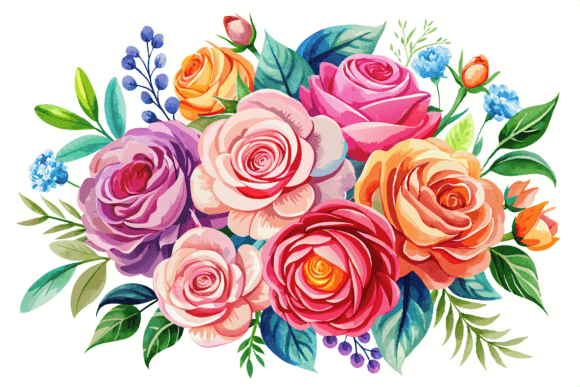
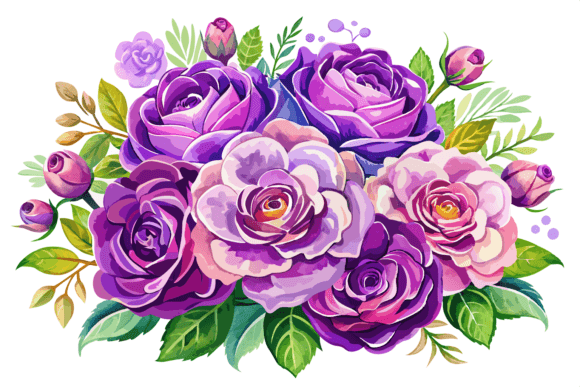
The moment you see the Watercolor Purple Rose Flower Bouquet, you are greeted by a soft, romantic aesthetic. It captures the essence of watercolor art—fluid edges, blended hues, and a dreamy atmosphere. For embroidery designers looking to add elegance without the harshness of solid block colors, this design offers a unique opportunity. The layout feels organic, mimicking a hand-painted bouquet rather than a rigid geometric pattern. It naturally belongs in projects that require a touch of sophistication, such as bridal accessories, boutique branding, or high-end nursery decor.
However, the beauty of the watercolor style lies in its subtlety, which can be a double-edged sword when converting pixels to thread. The design relies heavily on gradients and soft transitions that must be carefully interpreted by the machine embroidery software. If the stitch density is too high, those delicate washes will disappear into a muddy blob. If it is too low, the image will lack definition. This is where the true value of a professional review comes in; understanding these nuances before you start stitching saves hours of frustration.
Real-World Application: From Screen to Stitch
To truly evaluate the Watercolor Purple Rose Flower Bouquet, I put it through a series of practical scenarios. Imagine you are an Etsy seller preparing a custom embroidered tote bag for a client who loves floral motifs. You place the design in the center of a canvas tote. The purple tones pop beautifully against the natural beige fabric, creating a warm, inviting look that customers love. The soft edges of the rose petals blend seamlessly with the texture of the canvas, enhancing the handmade feel of the product.
I also tested this concept on a baby onesie using a light lavender background. The result was stunning. The gentle curves of the bouquet worked perfectly for a nursery theme, and the satin stitches along the petal outlines provided just enough structure to keep the design crisp without making it stiff. This type of embroidery project is ideal for personalized gifts, where the emotional connection to the imagery is as important as the quality of the stitch.
For small business owners selling apparel, this design fits well on sweatshirts and hoodies. The large, flowing nature of the bouquet allows it to cover a significant area without feeling cluttered. When stitched onto a dark navy hoodie, the lighter purple shades create a subtle, sophisticated contrast that looks expensive. It elevates the perceived value of the garment, making a simple piece of clothing feel like a premium boutique item. However, if you are planning to use this for a commercial embroidery line, you must consider the durability of the finish. Watercolor styles often rely on long stitches that can snag on rough surfaces, so testing on scrap fabric is non-negotiable.
Where to Exercise Caution
While the Watercolor Purple Rose Flower Bouquet is versatile, there are specific situations where it might not perform as intended. One major consideration is the hoop size. Because the design features intricate details and soft transitions, attempting to stitch it in a very small hoop (like 4x4 inches) could result in lost detail. The fine lines of the watercolor effect may become indistinguishable when compressed, turning the delicate flowers into a confusing mass of thread.
Textured fabrics also present a challenge. If you try to stitch this on a heavy, nubby linen or a thick fleece, the stabilizer might not support the design adequately, leading to puckering or uneven coverage. Thin, stretchy fabrics like jersey knit require extra care; without proper tear-away or cut-away stabilizer, the tension required for the fill stitches could distort the fabric, ruining the drape of the final product. Similarly, curved surfaces like caps can be tricky. While the design might look great flat, wrapping a complex floral arrangement around the curve of a hat can cause the top of the roses to bunch up or the bottom to stretch out of proportion.
Dense stitch areas are another potential pitfall. If your digitization includes too many layers of fill stitch to achieve the watercolor gradient, the back of the embroidery can become bulky and uncomfortable. This is particularly problematic for items that need frequent washing, such as kitchen towels or aprons. Excessive density can lead to thread breakage during the wash cycle or cause the design to lose its shape over time. Always inspect small details and test the design in black and white mockups to ensure the contrast holds up before committing to a full production run.
Impact on Brand and Customer Trust
In the world of handmade products and craft businesses, presentation is everything. A well-executed machine embroidery design builds trust with your customers. When a buyer receives a personalized gift or a custom apparel item featuring the Watercolor Purple Rose Flower Bouquet, they are buying into the story behind the design. The elegance of the watercolor style suggests attention to detail and artistic flair, which reinforces your brand's commitment to quality.
Conversely, a poorly executed version of this design can damage your reputation. If the colors bleed or the edges are jagged, customers may question the professionalism of your entire shop. By ensuring that the embroidery file is properly optimized for the chosen fabric and thread colors, you guarantee a finished product that meets high standards. This consistency is crucial for Etsy sellers and small shop owners who rely on repeat business and positive reviews.
Practical Designer Notes for Success
Before you load your machine with thread and start stitching, there are a few critical steps to take. First, always test the design on scrap fabric that matches the weight and texture of your final project. This allows you to check the thread color contrast and observe how the watercolor effect translates to thread. Second, review the stitch density settings in your software. You may need to adjust the density to prevent the fabric from pulling or the threads from breaking.
Confirming the correct hoop size is essential to avoid distortion. Make sure you have the right amount of stabilizer for the fabric type; for delicate items like baby clothes, a lightweight cut-away stabilizer is often necessary to provide support without adding bulk. If you plan to sell finished items commercially, verify the licensing terms of the Graphics file to ensure you have the right to produce and sell merchandise featuring the Watercolor Purple Rose Flower Bouquet.
Finally, don't forget to compare light and dark fabric backgrounds. A design that looks perfect on white might get lost on a pastel background. By taking these practical steps, you ensure that your embroidery project delivers the same level of charm and elegance that the original digital artwork promises. Whether you are creating a custom patch, a holiday gift, or a boutique product, the Watercolor Purple Rose Flower Bouquet has the potential to be a standout asset in your creative toolkit.