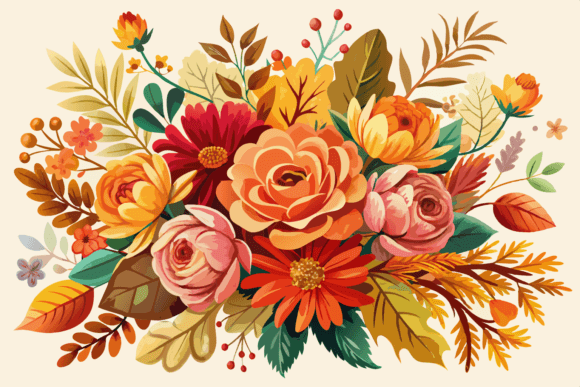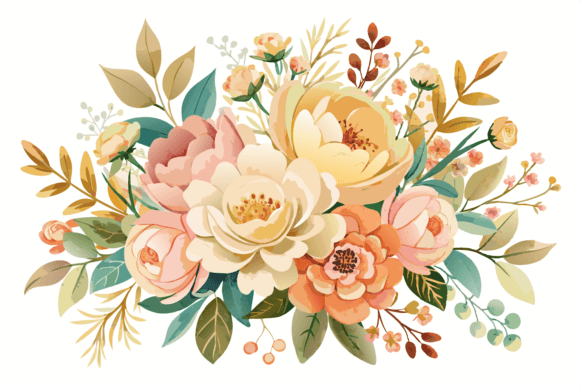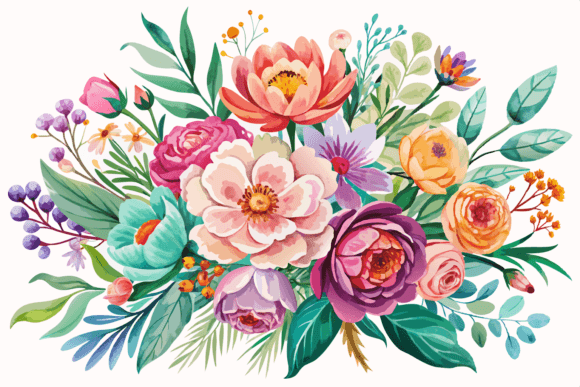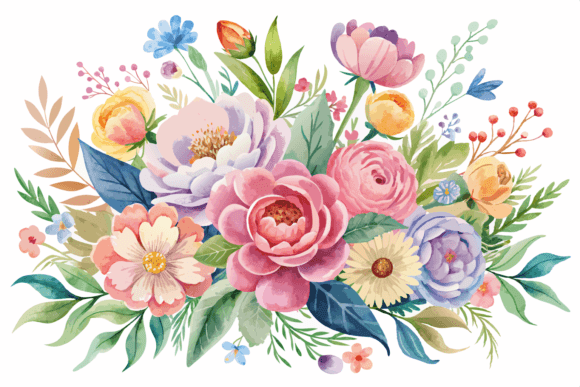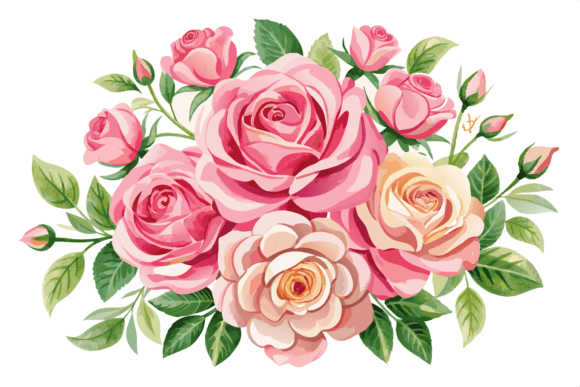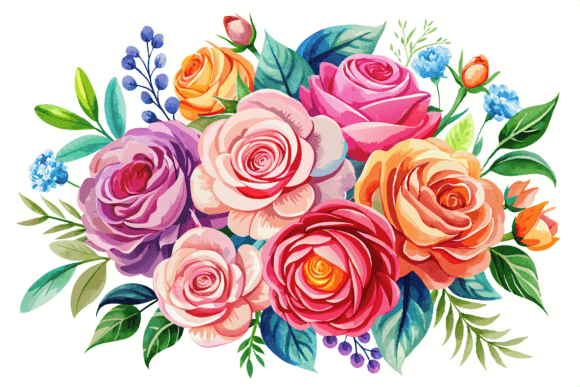
Watercolor Rose Flower Bouquet Clipart
When I first opened the file for Watercolor Rose Flower Bouquet Clipart, my immediate thought wasn't about stitch counts or machine compatibility. It was about the mood. There is a distinct softness to this piece that separates it from standard vector graphics. As someone who spends hours translating digital art into thread, I know that not every beautiful image translates well to embroidery. Some designs look stunning on a screen but become muddy blobs once stitched. This Illustrations category entry, however, feels like it was born with a specific texture in mind.
The watercolor aesthetic brings an organic, hand-painted feel that is incredibly popular right now, especially among buyers looking for something unique rather than mass-produced. The bouquet layout suggests a sense of abundance and elegance without being overly rigid. For a designer evaluating this for real-world application, the first question is always: will this hold up under the needle? From a visual standpoint, the answer leans heavily toward yes, provided we respect the medium's limitations.
From Screen to Stitch: A Real-World Scenario
Let's imagine a practical scenario. I am preparing a custom order for a boutique client who specializes in bridal party gifts. They need embroidered aprons for the bridesmaids to wear while getting ready on the wedding day. The client wants something romantic but not cliché. They don't want a stark, hard-edged logo; they want a touch of romance that feels personal.
This is where Watercolor Rose Flower Bouquet Clipart shines. Imagine stitching this onto a high-quality cotton canvas tote bag or a linen kitchen towel. The soft gradients of the watercolor style translate surprisingly well when converted into a mix of satin stitches and fill stitches. Unlike a solid block of color, the "bleeding" effect of watercolor allows us to use multiple thread colors to create depth, mimicking the original artwork's flow. If I were to use this as a central motif on a baby onesie or a nursery pillow cover, the gentle curves of the roses would soften the overall look, making it perfect for delicate fabrics.
However, the transition isn't magic. When I visualize this design on a sweatshirt, I have to consider how the fabric texture interacts with the design. On a heavy fleece, the soft edges might get lost if the stitch density is too low. But on a smoother twill or a crisp cotton tee, the design pops. It creates a finished product that feels expensive and thoughtful, elevating what could otherwise be a simple promotional item into a memorable gift.
Navigating Fabric and Texture Challenges
While the artistic vision is clear, the execution requires careful planning. Not every surface is a canvas for this type of Graphics. One of the biggest pitfalls in embroidery is placing intricate designs on stretchy or textured fabrics. If you attempt to stitch Watercolor Rose Flower Bouquet Clipart onto a thin, stretchy jersey knit without proper stabilizer, the puckering will ruin the delicate watercolor lines. The soft edges are particularly vulnerable to distortion.
Similarly, dark fabrics present a challenge. Watercolor art relies on light and shadow to define form. If you stitch this directly onto a black hoodie using standard thread colors, the design might disappear or require a heavy white underlay, which can make the fabric stiff and alter the drape. In these cases, I often recommend using this design on a patch that is then appliqued onto the garment, or sticking to lighter backgrounds like cream, blush, or pastel blue where the true colors of the rose bouquet can breathe.
Small hoop sizes are another area of caution. If your project involves a cap or a small pocket detail, the fine details of the bouquet might get crowded. Embroidery machines have limits on how close stitches can be placed. If the original digital file has very tight spacing between petals, the machine might skip stitches or the thread tension could break. Always check the stitch density before committing to a final run.
Maximizing Visual Appeal and Customer Trust
In the world of handmade products and Etsy listings, presentation is everything. Customers can touch the physical product, but they judge the quality based on the finish. A clean, well-executed Watercolor Rose Flower Bouquet Clipart design signals professionalism. It tells the buyer that you care about the details, not just the output.
When used correctly, this design adds significant perceived value to a handmade product. Think about a set of matching tea towels or a custom embroidered patch for a denim jacket. The watercolor style implies a level of craftsmanship that appeals to customers willing to pay a premium for artisanal goods. It bridges the gap between digital art and tactile reality, creating a product that feels both modern and timeless.
For commercial embroidery projects, consistency is key. Using this design across a line of products—say, a tote bag, a cap, and a pillow—creates a cohesive brand identity. The soft, elegant theme works well for weddings, baby showers, and holiday gifts. It is versatile enough to be a standalone feature or a supporting element alongside text. Just ensure that any lettering added complements the organic nature of the flowers; a rigid, blocky font might clash with the fluid lines of the bouquet.
Essential Designer Notes for Success
Before you hit the "stitch" button on your machine, there are several practical steps every designer should take to ensure success with this embroidery file.
- Test on Scrap First: Never start with your final customer product. Use scrap fabric of the same weight and weave to test the design. This helps you see how the thread colors interact with the fabric and whether the design needs resizing.
- Check Thread Color Contrast: Since this is a watercolor piece, the contrast between the flower colors and the background is vital. Ensure your thread selection matches the intended palette. If the original file uses subtle pastels, make sure your threads aren't too saturated, or the design will lose its delicate charm.
- Review Stitch Density: High-density areas can cause fabric puckering. Look at the fill stitches in the center of the roses. If they are too dense, the fabric will pucker. You may need to adjust the settings or reduce the density slightly to maintain a flat finish.
- Inspect Small Details: Zoom in on the digital preview. Are there tiny, isolated elements that might not stitch well? Sometimes, the finest lines in a watercolor illustration get lost in the stitching process. You might need to simplify these details manually before exporting the file.
- Use Proper Stabilizer: The choice of stabilizer is critical. For lightweight fabrics like those used in baby clothes or aprons, a cut-away stabilizer provides the necessary support to prevent distortion. For heavier fabrics like denim, a tear-away might suffice, but always prioritize stability over ease of removal.
- Confirm Licensing: Before selling finished items made with this design, double-check the license terms. Most digital assets allow for commercial use of the finished product, but some restrict the number of units sold or prohibit resale of the digital file itself.
By taking the time to evaluate Watercolor Rose Flower Bouquet Clipart through the lens of practical application, you avoid costly mistakes and deliver a superior result. Whether you are creating personalized gifts, expanding your craft business inventory, or designing merchandise for a small shop, this design offers a beautiful foundation. It reminds us that even in the age of automation, the human touch—the nuance of a watercolor stroke translated into thread—is what truly makes a product special.
Ultimately, the decision to use this design comes down to understanding your audience and your materials. If you are targeting customers who appreciate soft, elegant aesthetics and are willing to invest in quality, this bouquet is a winner. Just remember to respect the mechanics of embroidery, test your workflow, and let the beauty of the roses shine through the stitching.