Flower Design Element Silhouette Pattern Review
As a designer who spends hours evaluating digital assets before they ever touch an embroidery machine, I approach every new download with a mix of excitement and skepticism. The market is flooded with generic floral graphics, but the Flower Design Element Silhouette Pattern caught my eye not because it promised perfection, but because it offered a specific mood that felt ready for the real world. When you are running a small shop or working on high-end custom apparel, the difference between a design that looks "nice" in a mockup and one that stitches beautifully on fabric can be the difference between a satisfied customer and a refund request.
This review isn't about speculating on stitch counts or file formats that aren't explicitly detailed in the product description. Instead, it is about the practical application of this Graphic Templates asset. I want to walk you through how this silhouette motif performs when it moves from a computer screen to a physical piece of cloth, specifically looking at its potential for a boutique tote bag line and personalized baby gifts.
The First Impression: Mood and Visual Personality
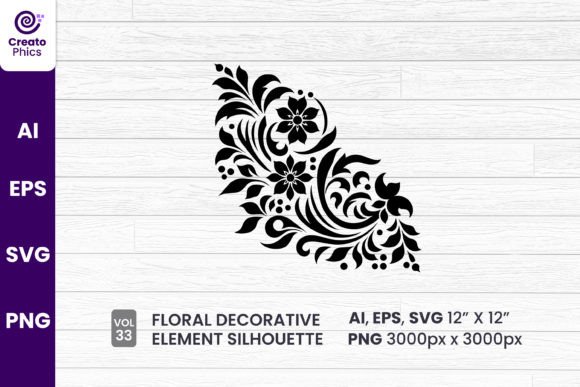
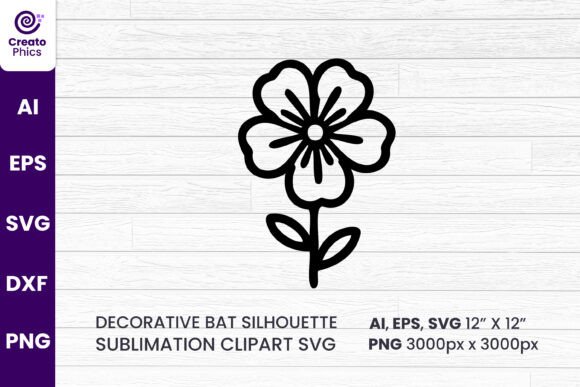
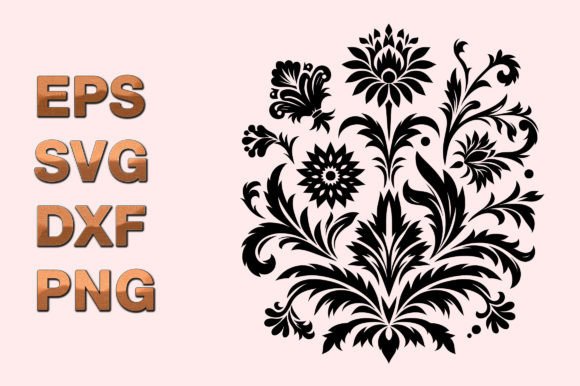
Upon opening the SVG template, the immediate feeling is one of understated elegance. Unlike intricate floral patterns that rely on shading and complex color gradients, the Flower Design Element Silhouette Pattern relies on bold, clean lines. It creates a graphic, modern vibe that feels less like a traditional vintage flower garden and more like a contemporary studio aesthetic. The black and white nature of the silhouette suggests versatility; it screams "high contrast" and "clean edges," which are the two most critical factors for successful embroidery.
For a creative entrepreneur, this visual personality fits perfectly into brands that value minimalism. It doesn't shout for attention with busy details; instead, it commands respect through simplicity. This makes it an ideal candidate for projects where the texturing of the thread itself should do the heavy lifting. The shape has a natural flow that suggests movement, making it feel organic even though it is a vector-based cut. It is the kind of design that says, "I know what I am doing," which is exactly the message you want your handmade products to convey.
Real-World Application: The Custom Tote Bag Scenario
To truly test the utility of this design, imagine you are preparing for a holiday craft fair or launching a new collection of eco-friendly accessories. You have decided to create a custom embroidered tote bag featuring the Flower Design Element Silhouette Pattern. The goal is a chic, monochromatic look that pairs well with various tote colors—canvas beige, deep navy, or crisp white.
In this scenario, the silhouette aspect of the design becomes a strategic advantage. Because the pattern is defined by its outline, it translates exceptionally well to satin stitch work. Satin stitch provides that glossy, smooth finish that elevates a simple canvas tote into a premium accessory. If you were using a fill-heavy floral design, you might run into issues with puckering on thin cotton canvas. However, the silhouette style allows for generous spacing between elements, reducing the overall stitch density and minimizing stress on the fabric.
Customers browsing Etsy listings often make split-second decisions based on the clarity of the image. A sharp, clean silhouette design ensures that the texture of the embroidery is visible even in small thumbnail images. When a buyer sees a clear, professional-looking flower motif on a tote bag, they immediately associate that quality with the durability of the bag itself. It builds trust before they even click "buy."
Performance on Varied Textiles and Garments
Beyond totes, this design has significant potential across other categories. For a small business owner specializing in baby items, the soft curves of the flower motif are perfect for bodysuits or nursery pillow covers. The lack of tiny, jagged corners means there is less risk of the thread breaking during the stitching process on delicate knits. Similarly, for sweatshirt embroidery, the bold lines stand up well against the textured fleece of a hoodie, creating a striking contrast without getting lost in the fabric pile.
However, the versatility of the Flower Design Element Silhouette Pattern does come with caveats. If you plan to use this for an embroidered patch intended for frequent washing or heavy wear, you must consider the stability of the design. While silhouettes are generally robust, the density of the fill inside the silhouette needs to be appropriate for the fabric weight. On a stretchy fabric like a cap or a jersey t-shirt, a dense fill can cause the garment to warp. In these cases, a lighter stitch density or a combination of satin and running stitches would be necessary to maintain the shape of the flower without distorting the hat's brim.
Navigating Potential Pitfalls and Fabric Choices
Even the best designs require careful execution. There are specific situations where the Flower Design Element Silhouette Pattern requires extra caution. One of the primary challenges lies in small hoop sizes. If you attempt to stitch this design on a very small area, such as a pocket detail or a cuff, the individual petals might lose their definition if the resolution of the underlying vector isn't optimized for micro-stitching. Always check the smallest detail size before committing to the final project.
Fabric texture is another critical factor. On highly textured fabrics like bouclé or heavy waffle weave, the clean lines of a silhouette can get obscured. The thread might sink into the nooks of the fabric, blurring the sharp edges that give the design its character. Conversely, on dark fabrics, the choice of thread color becomes paramount. A black silhouette on a black background will disappear entirely unless you use a metallic thread or a contrasting outline. Testing thread color contrast is non-negotiable here.
Furthermore, if you are designing for commercial embroidery projects involving layered garments, ensure that the design accounts for the thickness of multiple layers. A design that looks perfect on a single layer of linen might become too crowded once stitched over a lining or a pocket flap. The Flower Design Element Silhouette Pattern works best when given breathing room, so avoid cramming it into tight spaces on curved surfaces like caps unless you have extensive experience adjusting digitizing parameters.
Practical Designer Notes for Success
If you are an Etsy seller or a hobbyist looking to incorporate this design into your workflow, here is my advice based on practical experience. Never skip the scrap fabric test. Before you start stitching on a $50 silk pillowcase or a limited-edition sweatshirt, run the embroidery file on a piece of scrap material that mimics your final substrate. This step reveals issues with thread tension, stabilizer requirements, and stitch density that you cannot see on a screen.
Pay close attention to the stabilizer selection. For a silhouette design, a cut-away stabilizer is often superior to a tear-away because it provides long-term support, especially for designs with large areas of satin stitch. This prevents the fabric from pulling and distorting the flower shape over time. Additionally, inspect the small details of the design closely. Look for any stray nodes or uneven paths in the vector that could cause the machine to hesitate or jump, leading to skipped stitches.
When considering the end product, think about the "giftability" factor. A well-executed silhouette design on a kitchen towel or a holiday gift item exudes professionalism. It signals that the maker put thought into the composition. To maximize this effect, compare light and dark fabric backgrounds in your mockups. Sometimes, a design looks better on a dark background with light thread, while other times the reverse holds true. Experimentation is key to finding the right balance for your brand identity.
Finally, confirm licensing terms before selling finished items. While this is a Graphics asset, the rights to sell physical goods made from it vary by creator. Ensure you have the proper commercial license to avoid legal headaches down the road. By treating the Flower Design Element Silhouette Pattern with the same care you would a custom digitized file, you ensure that your final product stands out in a crowded marketplace.
In conclusion, this design element offers a strong foundation for a wide range of projects, from personalized gifts to boutique branding. Its strength lies in its adaptability and clean aesthetic, provided you respect the limitations of the medium. With the right preparation and a keen eye for detail, the Flower Design Element Silhouette Pattern can elevate your embroidery projects from simple crafts to polished, professional assets.