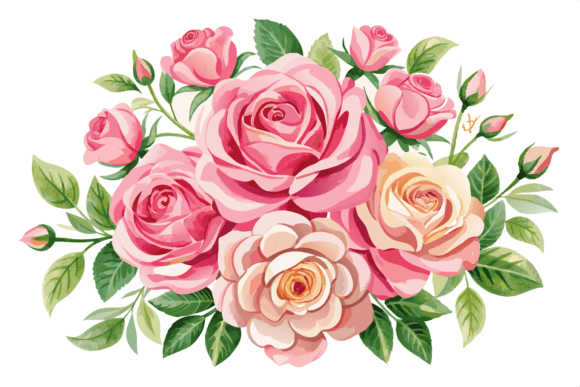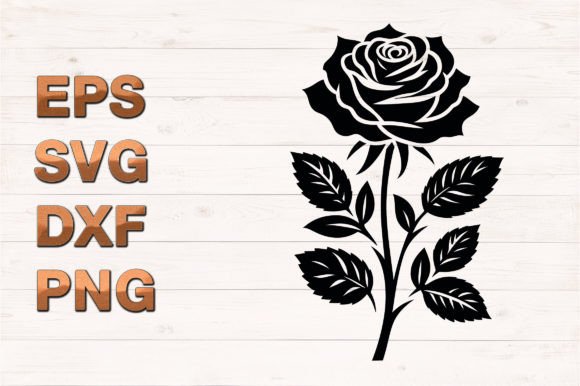
Rose Flower Design Element Silhouette Review
When I first opened the Rose Flower Design Element Silhouette, my immediate reaction was one of quiet appreciation. In a sea of overly complex, cluttered floral patterns that often get lost in the stitching process, this design stands out for its confidence in simplicity. It is not trying to be everything to everyone; instead, it offers a clean, classic charm that feels timeless. As someone who has spent years turning digital files into tangible, stitched treasures for clients and craft fairs alike, I know that the difference between a good design and a great one often lies in how well it translates from screen to fabric.
This particular graphic template belongs to the category of Graphics, but let us be clear: its true value shines when it becomes a machine embroidery design. The silhouette style suggests a bold, graphic quality that relies on strong outlines rather than delicate internal shading. This is crucial because it dictates exactly where this file will shine and where it might struggle. My goal here is to walk you through a real-world scenario, evaluating whether the Rose Flower Design Element Silhouette is the right tool for your next project, whether you are an Etsy seller looking to boost your shop's aesthetic or a hobbyist making a heartfelt gift.
The First Stitch: Visual Impact and Mood
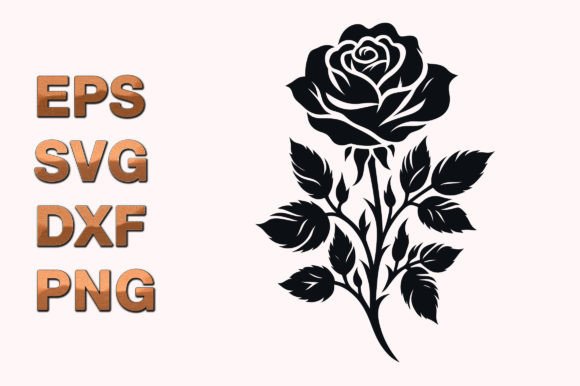
The mood created by the Rose Flower Design Element Silhouette is one of understated elegance. It does not scream for attention with bright colors or intricate textures; instead, it whispers sophistication. When visualized on a product, this design evokes a sense of romance and tradition. It feels perfectly at home on items that require a touch of vintage flair or classic beauty. The layout is balanced, allowing the eye to travel smoothly across the shape without getting bogged down in tiny, potentially problematic details.
For a designer, this visual personality suggests versatility. It is not limited to just one type of item. While it screams "floral," the silhouette nature means it can adapt to various themes depending on the thread colors chosen. A deep burgundy thread could make it look gothic and moody, while soft pastels would transform it into something sweet and nursery-ready. This flexibility is rare in many embroidery files that are too specific in their execution. The design assets provided here feel like a blank canvas waiting for your personal creative stamp.
Real-World Application: The Custom Tote Bag Scenario
Let me take you through a specific project I recently considered using this design for. Imagine you are preparing a custom embroidered tote bag for a local boutique client who wants a simple yet chic accessory for their spring collection. They want something that looks expensive but remains practical for daily use. This is where the Rose Flower Design Element Silhouette becomes a compelling candidate.
On a canvas tote bag, the high contrast of a silhouette works beautifully against the textured fabric. Unlike a detailed fill stitch pattern that might get lost in the weave of heavy cotton, the solid outline of this rose provides a crisp definition that holds up even after multiple washes. I envision placing this design centrally on the front of the bag, perhaps in a single color like navy blue or charcoal grey to maintain that modern, minimalist vibe. The finished product would likely elevate the perceived value of the item, making it look like a premium piece rather than a mass-produced novelty.
Furthermore, this design is excellent for creating a cohesive brand identity. If you are an Etsy seller or run a small shop, consistency is key. Using the Rose Flower Design Element Silhouette across different products—perhaps pairing it with matching kitchen towels, aprons, or pillow covers—creates a unified look that customers trust. It signals professionalism and attention to detail. When a buyer sees that same elegant rose motif on a personalized gift and a boutique product, they recognize the quality immediately.
Where Caution is Required
However, as an experienced reviewer, I must point out where this design requires careful consideration. Not every surface is suitable for every embroidery project. The Rose Flower Design Element Silhouette performs best on stable, flat fabrics. If you are attempting to embroider this onto a curved surface like a baseball cap or a fitted hat, you will need to be very precise with your hoop placement. The curvature can distort the lines of the silhouette if the tension is not perfect, leading to a puckered or uneven appearance.
Additionally, be wary of using this design on thin or stretchy fabrics without proper support. The density of the stitches required to create a solid silhouette can cause lightweight materials to pucker significantly. Similarly, on dark fabrics, the visibility of the design depends entirely on your choice of thread colors. If you do not have enough contrast, the elegance of the silhouette is lost, and it may look muddy or indistinct. For these reasons, I recommend testing the design on scrap fabric first to ensure the stitch density and stabilizer combination work harmoniously with your specific material.
Another area to watch is small hoop sizes. If you attempt to shrink this design down too much for a tiny application, such as a baby onesie or a small patch, the fine details of the flower petals might merge together. The result could be a blob rather than a distinct rose. Always check the minimum recommended size before committing to a small product. If the design is intended for a personalized gift like a baby item, ensure the scale is large enough to show off the beautiful shape without losing clarity.
Practical Designer Notes for Success
To get the most out of the Rose Flower Design Element Silhouette, there are several technical steps you should take before running your machine. First, review the stitch density. Since this is a silhouette, it likely relies heavily on satin stitches or dense fill stitches. If the density is too high, you risk needle deflection or thread breaks. If it is too low, the design may lack the solid, bold presence that defines a silhouette.
Second, always inspect small details. Even though this is a silhouette, there may be subtle curves or corners that need to be sharp. Zoom in on your editing software to ensure no paths are overlapping incorrectly or missing segments. Third, test the design in black and white mockups. This helps you visualize how the design will look regardless of the thread color you eventually choose. It strips away the distraction of color and lets you focus purely on the form and balance of the Graphic Templates.
Finally, confirm your licensing terms. If you plan to sell finished products featuring this design, such as custom apparel, holiday gifts, or commercial embroidery projects, you must ensure you have the correct permissions. Some digital embroidery files allow for personal use only, while others permit commercial sales. Understanding these terms protects your business and ensures you are using the design assets ethically.
Final Thoughts on Value and Appeal
In conclusion, the Rose Flower Design Element Silhouette is a versatile and attractive option for designers and makers who value clean lines and classic aesthetics. It adds a touch of professional polish to handmade products, from tote bag designs to sweatshirt embroidery. When used correctly, it enhances the visual appeal of the finished product, fostering customer trust and engagement. Whether you are creating a unique embroidered patch or a series of boutique branding items, this design offers a reliable foundation for your creativity. Just remember to respect the limitations of the fabric and the machine, and you will find that this floral motif brings a lasting charm to your work.