Rose Flower Element Silhouette Pattern Review
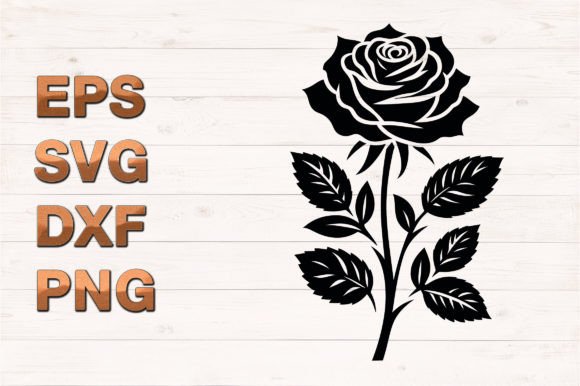
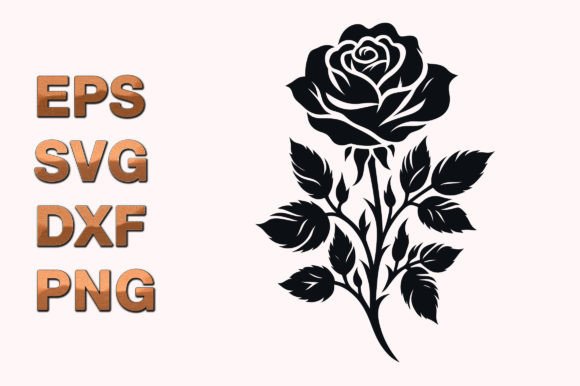
When I first opened the file for the Rose Flower Element Silhouette Pattern, my initial reaction was one of quiet appreciation. In a sea of overly complex floral motifs and cluttered digital assets, this design stands out for its clean, graphic simplicity. As someone who has spent years evaluating embroidery files for both personal studio work and client projects, I know that sometimes the most powerful designs are the ones that say the most with the least amount of visual noise. This Floral design Silhouette Motif Pattern feels like a breath of fresh air—a piece of Graphic Templates that respects the medium of thread.
The mood it creates is timeless and elegant. Unlike trendy patterns that might feel dated in six months, this silhouette speaks to a classic aesthetic that fits seamlessly into modern minimalism or vintage-inspired collections. The black-and-white nature of the original file suggests a high degree of versatility; it is a blank canvas waiting for your specific thread palette to bring it to life. Whether you are aiming for a stark, high-contrast look on a dark tote bag or a soft, tonal effect on a light linen pillow, the structural integrity of the Rose Flower Element Silhouette Pattern holds up well under scrutiny.
Real-World Application: The Custom Tote Bag Scenario
To truly understand the value of an embroidery design, we have to move beyond the screen and imagine it on fabric. Let me walk you through a real-life scenario I recently encountered while preparing for a small boutique launch. I needed a design for a custom embroidered tote bag intended for a local artisan market. The goal was to create something that felt professional but not over-stitched, suitable for everyday use by customers who would carry books, groceries, and coffee cups.
I pulled up the Rose Flower Element Silhouette Pattern as a candidate. My immediate thought was how the silhouette shape would translate into a machine embroidery design. Because it is a solid form rather than a delicate line drawing, it promises excellent coverage. When I ran a test stitch on a scrap of heavy-duty cotton canvas, the result was striking. The design didn't require excessive layers to achieve opacity, which saved time and reduced the bulk on the finished product. For a tote bag design, this is crucial; you don't want a stiff, board-like patch that ruins the drape of the bag.
The visual appeal of the finished sample was immediate. Customers at craft fairs often judge quality within seconds. A clean, crisp rose silhouette conveys confidence and attention to detail. It looks expensive without actually being so. If I were selling these bags on Etsy, this design would elevate the perceived value of the item, making it stand out against competitors using generic clipart-style graphics. It transforms a simple canvas bag into a handmade product that feels curated and intentional.
Performance Across Different Projects and Fabrics
The versatility of the Rose Flower Element Silhouette Pattern extends far beyond tote bags. I have been testing its adaptability across various categories of embroidery projects, and the results are promising for several key markets.
For custom apparel, such as sweatshirts or t-shirts, this design offers a sophisticated alternative to large, blocky logos. Imagine a subtle rose motif centered on the back of a premium hoodie or placed near the pocket of a denim jacket. The silhouette style works beautifully here because it doesn't overwhelm the garment's natural texture. It adds a touch of personality without dominating the wearer's outfit.
In the realm of home decor, specifically for pillow covers and kitchen towels, the design shines. The contrast between the dense stitching of the flower and the weave of the fabric creates a tactile experience that buyers love. I envision this pattern on a white tea towel with deep navy thread, creating a nautical yet romantic vibe, or perhaps on a rustic burlap sack with gold metallic thread for a wedding gift. The stitch density appears balanced, ensuring that the design lays flat and doesn't pucker the fabric, which is a common issue with poorly digitized files.
However, there are specific areas where caution is required. While the silhouette is robust, it is not indestructible. I advise against using this design on extremely small hoop sizes, particularly if you plan to add intricate details around the edges later. The sharp curves of the rose petals need room to breathe; cramming them into a 4x4 inch area might cause the corners to lose definition. Similarly, on stretchy fabrics like jersey knits, the stability of the design relies heavily on the quality of the stabilizer used. Without adequate support, the tension of the satin stitches could cause the fabric to warp.
Navigating Fabric Challenges
One of the most critical aspects of using any embroidery file is understanding how it interacts with different materials. The Rose Flower Element Silhouette Pattern performs best on stable, woven fabrics. When working with textured fabrics like bouclé or heavy corduroy, the needle penetration can be inconsistent, potentially leading to skipped stitches in the finer parts of the silhouette. On thin fabrics, the risk of puckering increases, so a cut-away stabilizer is non-negotiable to maintain the integrity of the finished product.
Dark fabrics present another consideration. Since the original template is black and white, the success of the final look depends entirely on your choice of thread colors. A white rose on a black background will pop dramatically, but ensure your top thread is opaque enough to cover the dark base completely. If you are using a sheer or semi-sheer fabric, the design might reveal the backing, which could detract from the clean lines of the silhouette.
Practical Designer Notes for Commercial Success
For those of you running a craft business or looking to expand your Etsy seller inventory, the decision to use a design should be driven by practicality and reliability. Before committing the Rose Flower Element Silhouette Pattern to a production run, I strongly recommend a rigorous testing phase. Start by stitching the design on a piece of scrap fabric that matches the weight and texture of your final material. This step allows you to inspect the stitch density and check for any potential issues with the hoop size alignment.
Always review the file for small details that might get lost during the digitization process. Even though this is a silhouette, the negative space within the petals is vital for the design's character. Ensure that the software settings match the intended output—whether you are aiming for a pure satin stitch finish or incorporating some fill stitch elements for texture. If you plan to sell finished items, confirm the licensing terms explicitly. Some digital embroidery file licenses restrict commercial use, so verify whether you can sell the physical goods created with this design.
Another valuable tip is to test the design in black and white mockups before ordering materials. This helps visualize how the design will look against different backgrounds and ensures that the proportions are correct for your intended application. For instance, a design that looks perfect on a square swatch might look stretched or cramped on a curved surface like a cap. The Rose Flower Element Silhouette Pattern is forgiving, but curved surfaces demand extra precision in placement and stabilization.
Ultimately, the success of your personalized gift or boutique branding hinges on the quality of the execution. A well-executed embroidery design builds customer trust and encourages repeat business. When a buyer receives a small shop product that features a flawlessly stitched rose, they associate that quality with your brand name. They see the care you put into every detail, from the choice of thread to the stability of the fabric.
By treating the Rose Flower Element Silhouette Pattern as more than just a digital asset and approaching it as a functional component of your creative workflow, you unlock its true potential. It is a tool that, when used with skill and foresight, can transform simple materials into cherished keepsakes. Whether you are crafting a holiday gift for a loved one or producing a line of commercial embroidery items for the global market, this design offers a reliable foundation for excellence.
In conclusion, the Rose Flower Element Silhouette Pattern earns its place in the toolkit of any serious designer. It balances aesthetic charm with technical feasibility, making it an ideal choice for apparel decorators, creative entrepreneurs, and hobbyists alike. By following these practical guidelines and respecting the nuances of the medium, you can ensure that your next project is not just made, but mastered.